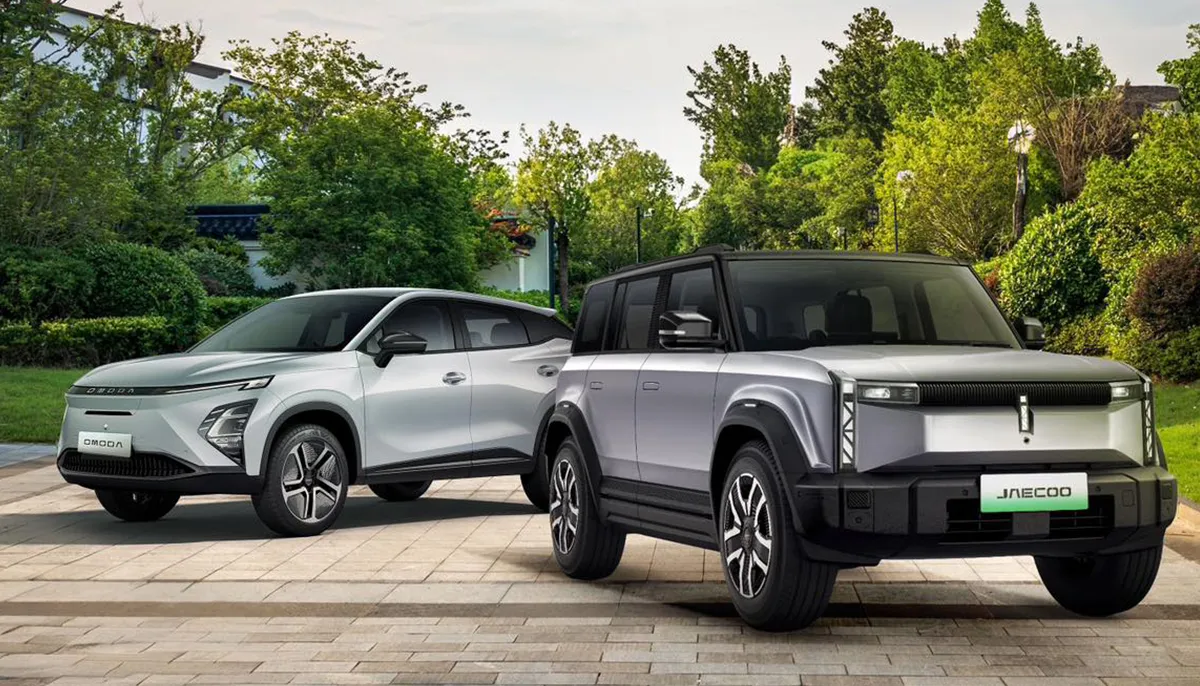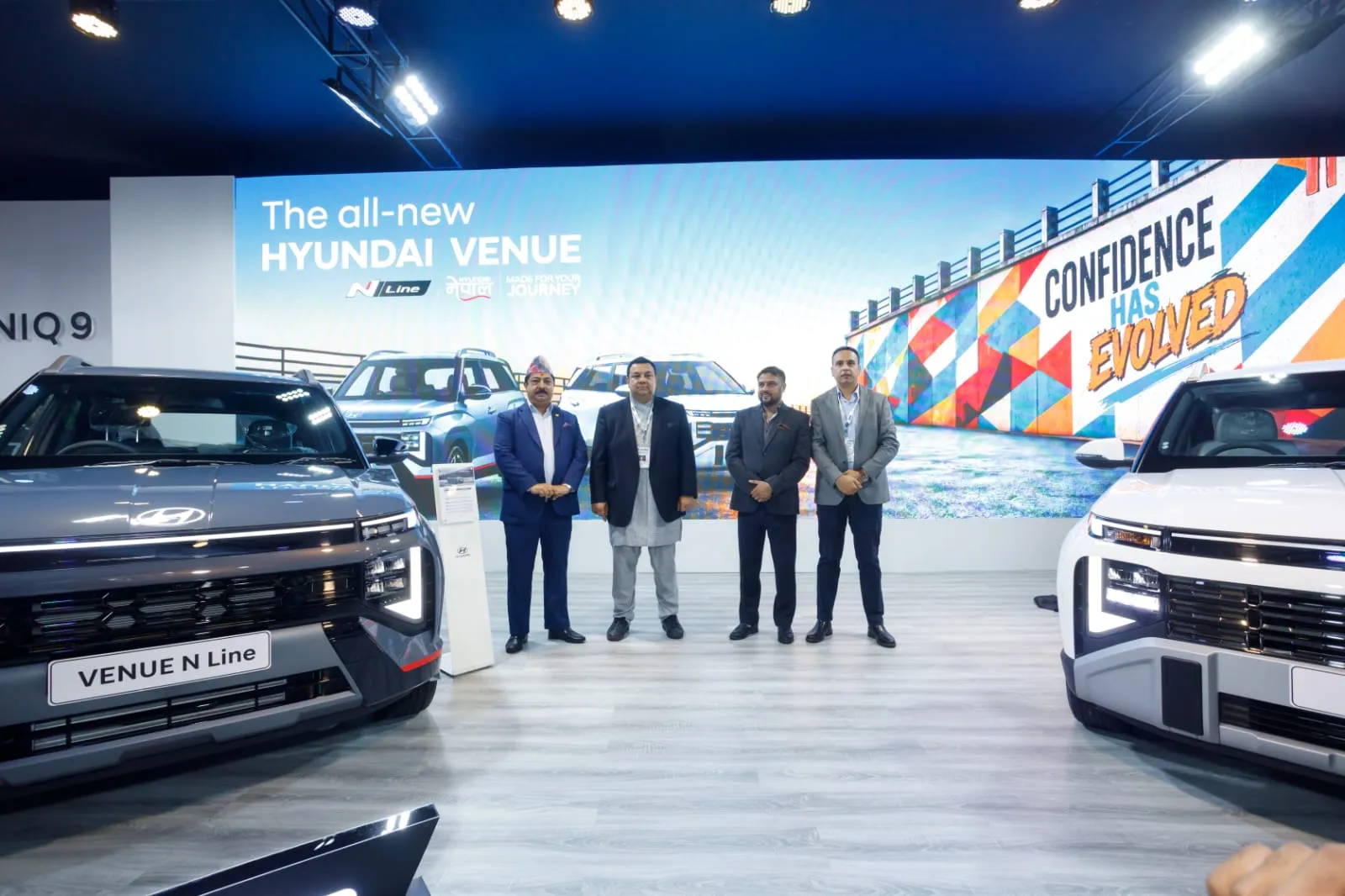
The future of Transport is shifting from Fuel based vehicles to Electric vehicles i.e., EVs. The main objective of this transition is to minimize the production of Greenhouse gas and air pollution. EVs are sound pollution-free, cleaner, and more noiseless than fuel-based vehicles. The market of EVs is increasing rapidly worldwide due to the recognition of zero-emission vehicles from different countries.
The government of Nepal has targeted to switch to an electric vehicle in long term. The first reason is the increase in the production of Hydroelectricity and the second is to replace Fossil fuels. If the government sets the plan correctly then Electric Vehicles will be more easily available in the Nepalese Market.
Why are automobile manufacturers around the world focused on EV Production?
Future of Automobile is focused on electric-based or alternative energy-based Automobiles. Most countries recognized the value of the zero-emission vehicles and focused on EV production to help them in their carbon reduction target. Countries including India and China are planning to phase out vehicles based on fuel with the Electric Vehicle.
Manufacturers are competing to go Electric as many Consumers are preferring EVs over fuel-based Vehicles. Governments are also backing the EV production as the greenhouse gas reduction target are to be met sooner or later.
Most Countries are promoting the production of Electric Vehicles with the exemption of Tax and giving subsidies for the production.
Pros and Cons of Having EV in Nepal?
Nepal is slowly shifting to Electric vehicles from fuel-based Vehicles. The primary cause of the large trade deficit with India is due to the large import of Petroleum products. If the petroleum import can be reduced by a bit, it will minimize the trade deficit and lower the trade loss of Nepal. The following can be listed as the Pros and Cons of having EV in Nepal:
Pros:
- Electric Vehicle (EV) doesn't have gas emission i.e., no air Pollution.
- They can be recharged at home which is easier than going to the Gas station.
- Charging EVs usually costs less than buying Petroleum which is profitable in the long term.
- EV doesn't create Noise Pollution as they have simple Engines.
- The maintenance cost of EVs is comparatively low than the Fuel based Vehicle.
- An increase in EV usage is profitable for Nepal because Petroleum product is major
Cons:
- The tax levied on Electric Vehicles is increased by Nepal Government.
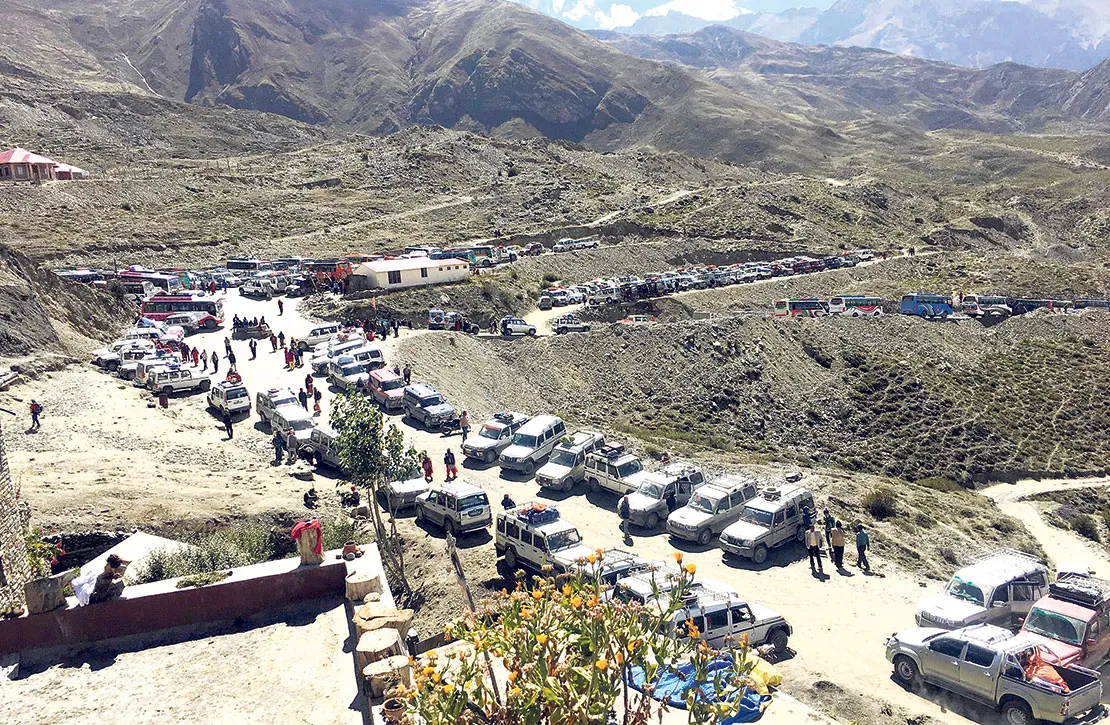
- During Long Distance Travel, the plan when and where to charge is a problem for EV.
- Charging can take a long time during travel; even fast charging can take up to 30 to 60 minutes.
- Extreme Hot or Cold temperatures can reduce the distance the Electric car can travel.
- An electric car is more expensive than a Normal Car.
Conclusion- Is Nepal ready for EV?
Nepal has the potential to be one of the major hydroelectricity producers. And as petroleum prices are rising day by day, the consumer market is diverting its attention more towards the EV segment. EV startups from Nepal like Yatri look promising and are increasing their customer base and the range of products. Imports of popular EVs from industry leaders are also taking up pace.
The whole world is shifting to Electric Vehicles from Fuel based Vehicles. It is a definite change and a step towards the right direction for environmental conservation.




-original.webp)