When deciding between Indian and Chinese electric vehicles, it’s essential to look at several factors like price, technology, build quality, market perception, and long-term infrastructure support.
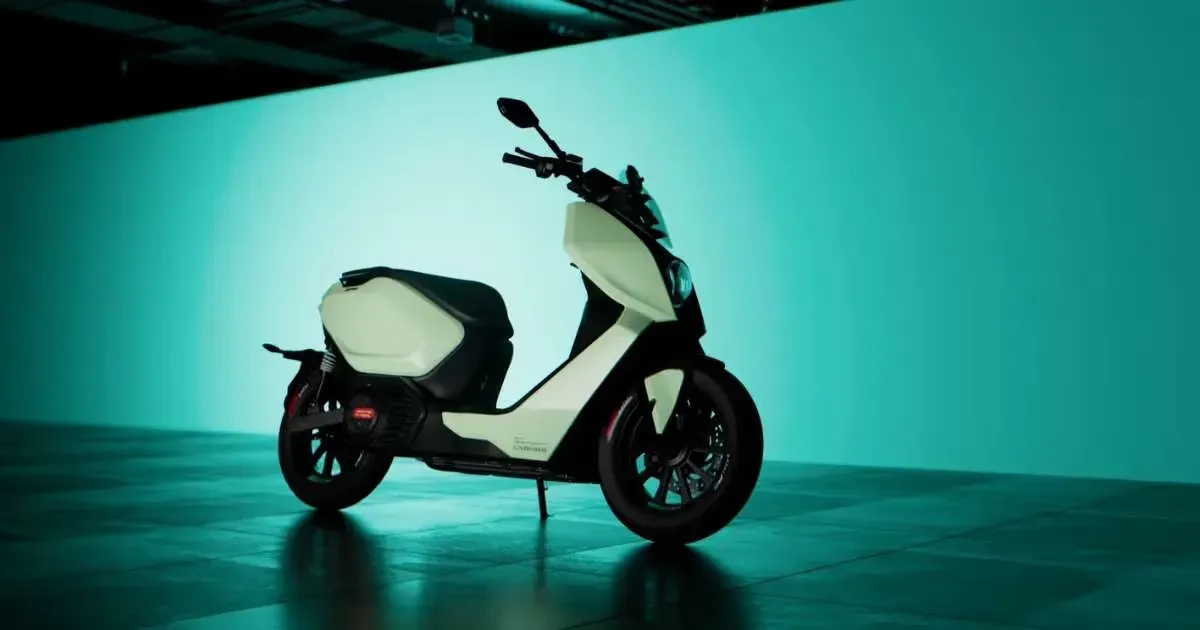
Indian EVs, led by manufacturers like Tata Motors, Mahindra, and Ola Electric, focus on affordability and practical features tailored to the Indian market. They benefit from government incentives and local manufacturing, making them budget-friendly for the average consumer. However, Indian brands often rely on external partnerships for advanced technology, meaning their innovations tend to be centered on software and battery management rather than cutting-edge features seen globally.
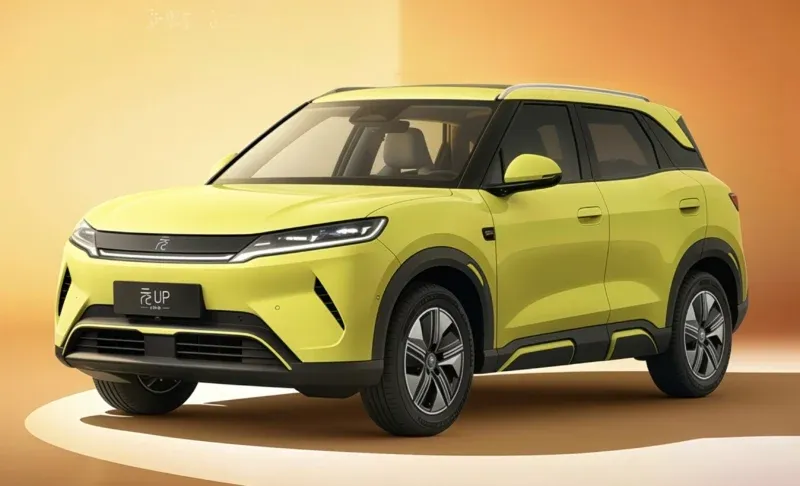
In contrast, Chinese brands like BYD, NIO, and SAIC (MG) have a technological edge, supported by China’s massive investment in EV technology and infrastructure. Chinese EVs often feature advanced battery innovations, like BYD's Blade Battery, and sophisticated autonomous driving systems. This gives them an advantage in terms of performance and features. However, despite their advanced tech, Chinese vehicles are still competitively priced due to large-scale production.
When it comes to build quality, Indian EVs focus on cost-effective designs, sometimes sacrificing materials or features for affordability. Meanwhile, Chinese manufacturers have significantly improved their quality over the last decade, with brands like NIO and Xpeng offering vehicles that can rival international standards, especially in premium segments. This makes Chinese EVs an attractive option for those seeking high-end features and build quality at reasonable prices.
In terms of long-term viability, India is still developing its EV infrastructure, with a growing but limited charging network. On the other hand, China has a mature EV ecosystem with extensive charging stations and government support, providing a more seamless experience for EV owners. However, geopolitical issues and supply chain dependencies could impact the long-term availability of Chinese imports in India.
Conclusion
If affordability and local service are your primary concerns, Indian EVs are a practical choice, offering reliable and economical options for daily commuting. On the other hand, if you’re looking for advanced technology and premium features at a competitive price, Chinese EVs stand out, especially in the higher-end market. Your choice will ultimately depend on whether you prioritize cost-effectiveness or cutting-edge innovation.