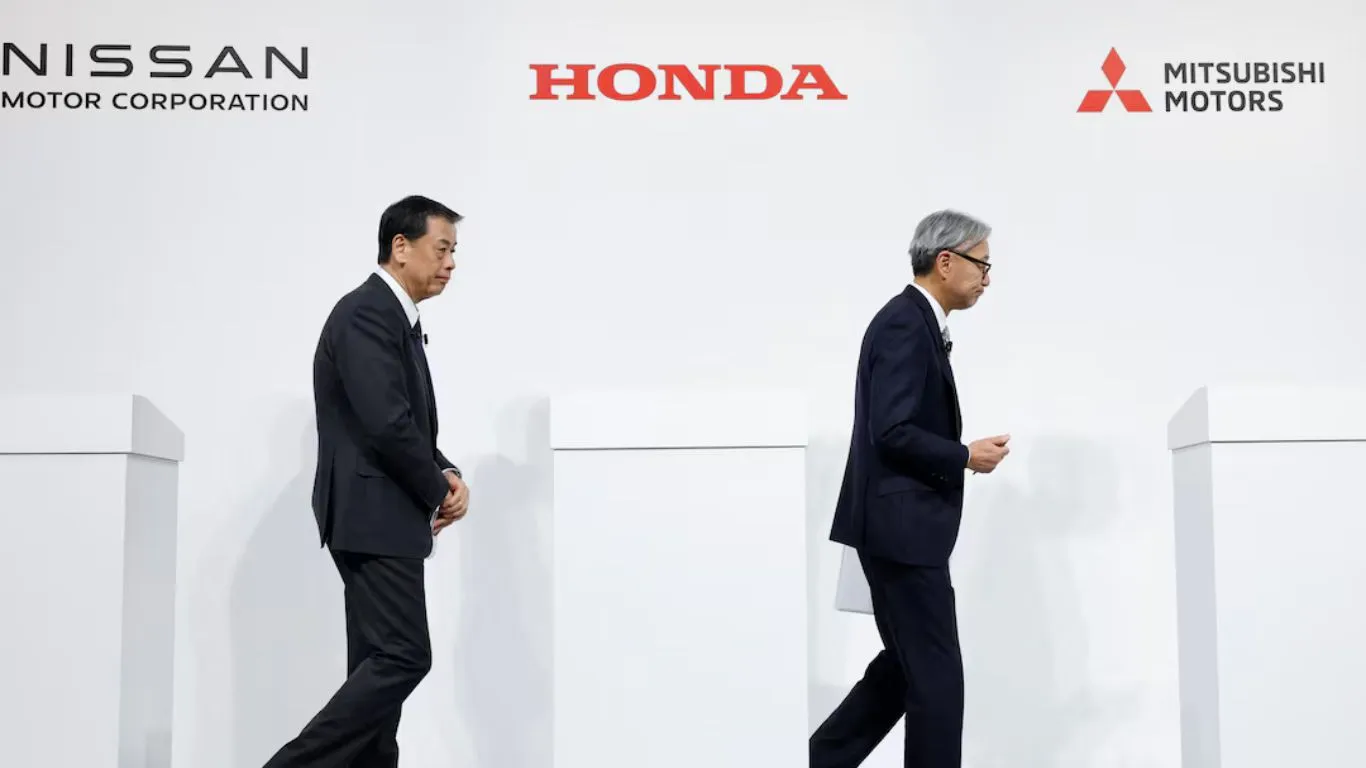
A potential game-changing merger in the auto industry has just fallen apart. Nissan and Honda, two of Japan’s automotive giants, have ended talks that could have reshaped the industry. But why did it fail, and what does this mean for both companies?
Market Reactions and Stock Performance
Following the news, Nissan’s stock saw a sharp decline of over 4% before trading was temporarily halted on the Tokyo Stock Exchange. In contrast, Honda’s shares surged by more than 8%, reflecting investor relief over the termination of the deal.
Why Did the Nissan-Honda Merger Fail?
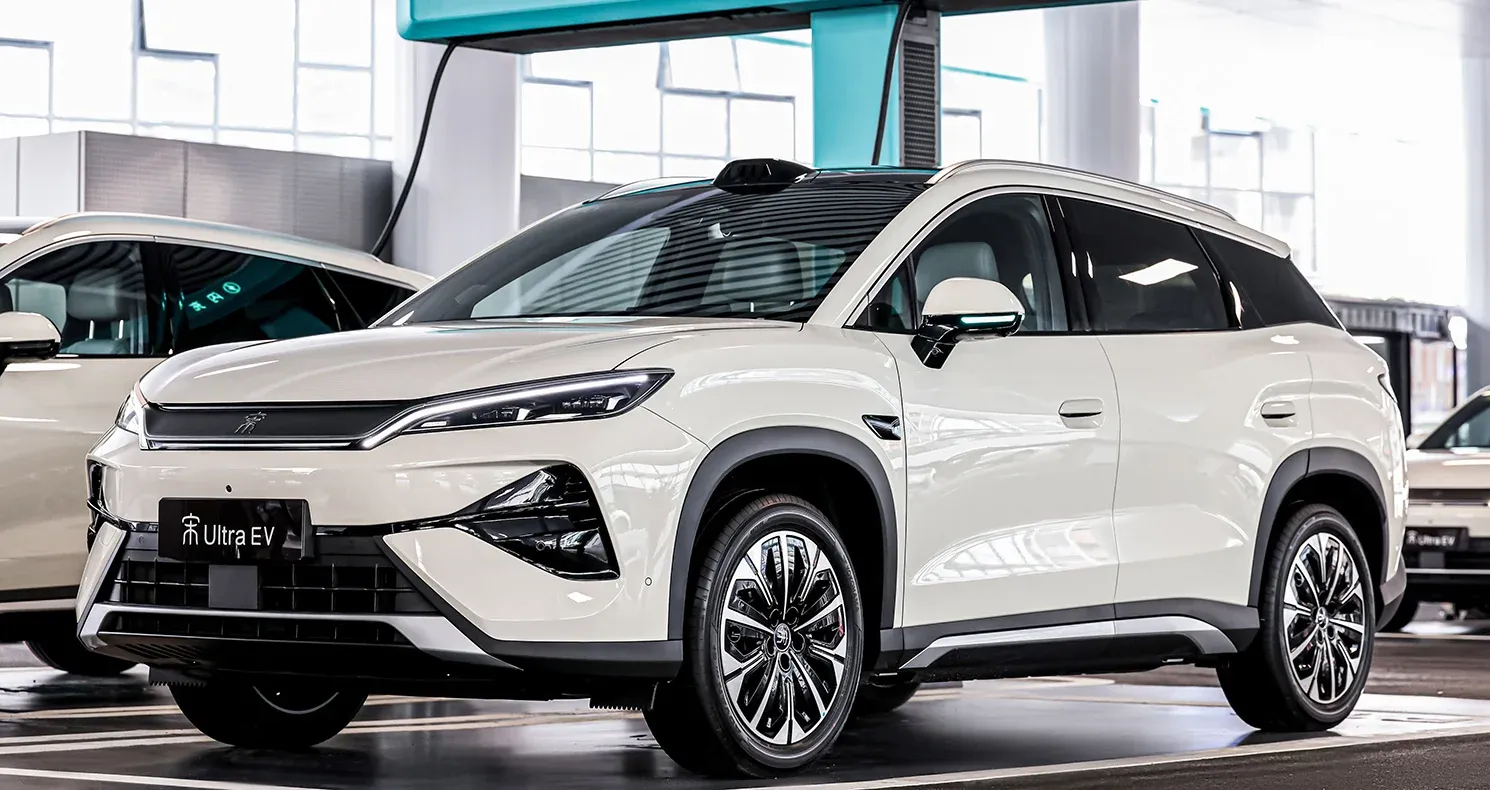
Initially, Honda and Nissan had been in discussions about combining their operations to strengthen their competitive edge against rising threats from companies like China’s BYD and other electric vehicle (EV) manufacturers. However, disagreements between the two companies led to a breakdown in negotiations.
Also Read the Latest: Nepal Telecom Introduces VoWiFi Service
One of the major sticking points was Honda’s proposal for Nissan to become a subsidiary rather than an equal partner, a shift from the original plan of a merger between equals. This created friction between the two firms, as Nissan was unwilling to cede control.
Nissan’s Current Challenges
The decision to abandon the merger raises concerns about Nissan’s ability to navigate its ongoing turnaround strategy alone. The company is in the midst of a restructuring plan, which includes cutting 9,000 jobs and reducing its global production capacity by 20%.
Nissan has struggled more than some of its competitors in transitioning to EVs and has yet to fully recover from the crisis triggered by the 2018 arrest and ousting of former Chairman Carlos Ghosn. Analysts warn that the failed merger could add further uncertainty to Nissan’s future.
Honda’s Perspective
Honda, which holds a market value nearly five times that of Nissan, reportedly grew concerned about Nissan’s progress on its recovery strategy. The automaker’s hesitation to move forward with the merger was driven by doubts over Nissan’s long-term stability.
Also Read: Volkswagen Challenges India's $1.4 Billion Tax Demand in High-Stakes Legal Battle
Renault’s Position and Mitsubishi’s Considerations
Nissan’s long-time alliance partner, Renault, which holds a 36% stake in the company, had expressed willingness to support the merger in principle. However, with the talks collapsing, Renault’s role in Nissan’s future remains uncertain.
Mitsubishi Motors, another member of Nissan’s alliance, was previously considering joining the merger discussions but is now unlikely to pursue the collaboration further.
What’s Next for Nissan and Honda?
Both Nissan and Honda have stated that the reports regarding the failed merger were not based on official company announcements. Nissan has indicated that it will determine its future course of action by mid-February.
Also Read: Tesla Stock Rises
With the merger officially off the table, Nissan must now focus on stabilizing its business independently while dealing with challenges posed by the global shift towards EVs and potential trade tariffs. Honda, on the other hand, appears to have gained investor confidence by distancing itself from the uncertain prospects of the deal.
The failed merger highlights the complexities of consolidation in the automotive industry and raises questions about how Nissan will secure its competitive position in an increasingly electric and technologically advanced market.
For more automobile and tech news, make sure to visit Autoncell.
-original.webp)
-original.webp)
-original.webp)
-original.webp)
-original.webp)