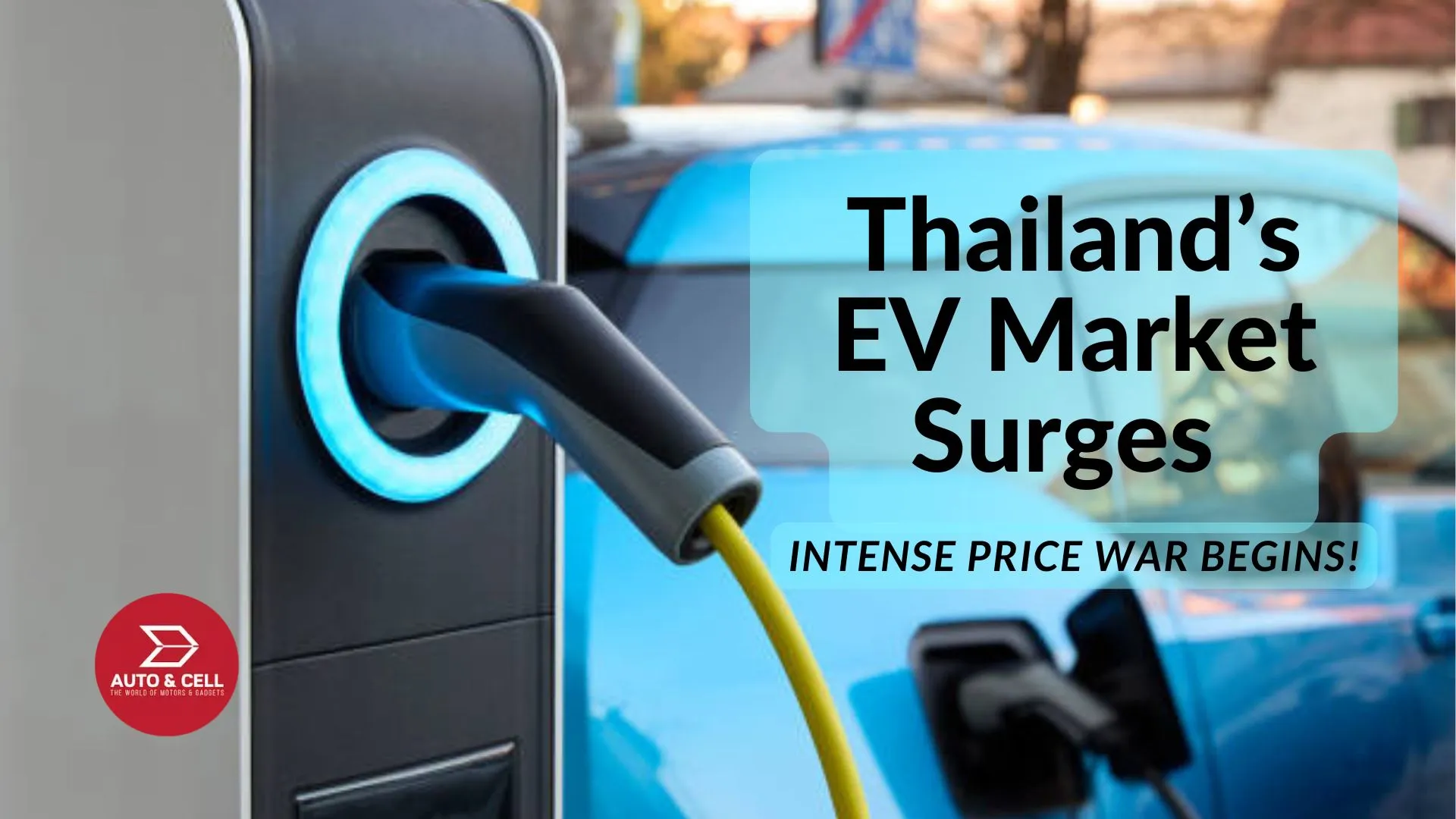
Thailand’s electric vehicle (EV) market is on track for significant expansion, with sales projected to grow by 40% in 2025, surpassing 100,000 units for the first time. This surge is primarily driven by government incentives aimed at boosting local production while fostering an increasingly competitive pricing environment.
Government Incentives Fuel EV Growth
The Thai government has implemented a strategic incentive program requiring companies to manufacture 1.5 locally produced vehicles for every imported unit to qualify for tax breaks. Additionally, price subsidies of up to 150,000 baht (approximately $4,400) have been introduced to encourage EV adoption. These policies have played a crucial role in positioning Thailand as Southeast Asia’s leading EV market.
According to the Electric Vehicle Association of Thailand (EVAT) President, Suroj Sangsnit, the industry is rebounding from an 8% sales drop last year. The increased adoption of EVs marks a pivotal shift in consumer preference toward electric mobility, driven by favorable pricing and regulatory support.
Also Read the Latest: BYD's Denza B5 and More Set to Enter Australia
Price Wars and Market Challenges
Despite the optimistic outlook, Thailand’s automotive sector faces challenges due to declining domestic sales of internal combustion engine (ICE) vehicles. Tight credit conditions and rising household debt have significantly impacted conventional vehicle demand, prompting automakers to rethink investment strategies.
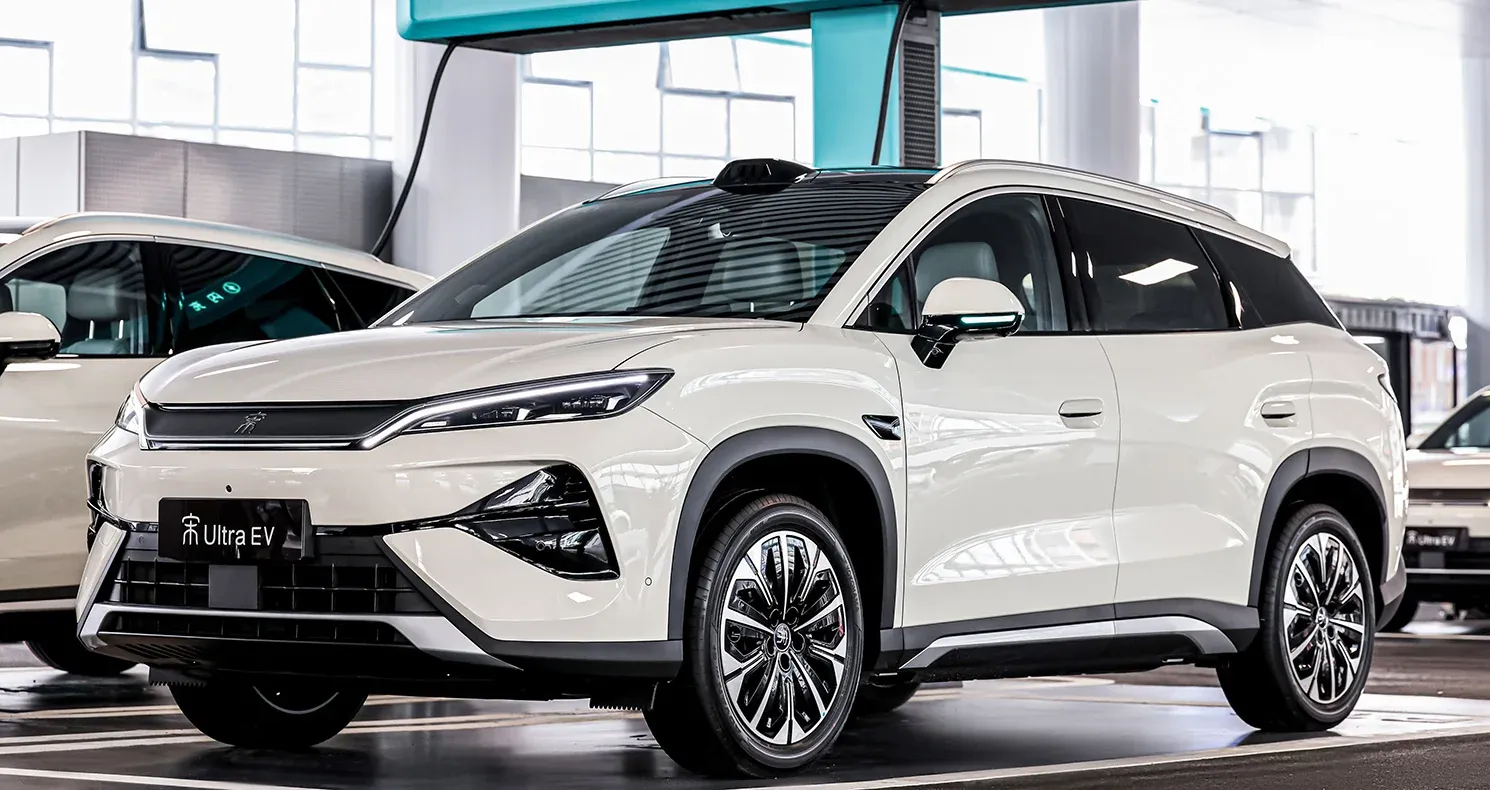
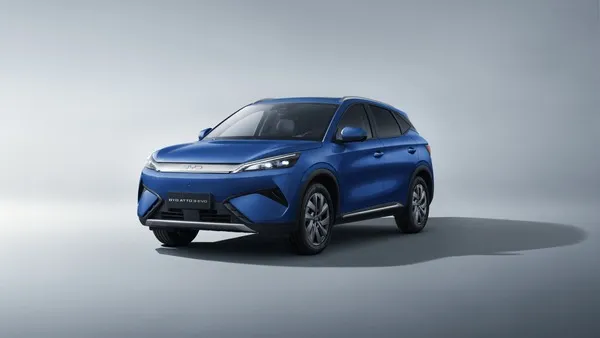
As local EV production ramps up, intense price competition is emerging. Tita Phekanonth, senior analyst at Siam Commercial Bank’s Economic Intelligence Unit, warned that price wars will be prolonged and aggressive as manufacturers—both domestic and foreign—battle for market share. Chinese automakers, including BYD and Great Wall Motor, have already taken bold steps, with Great Wall Motor slashing the price of its Ora Good Cat model by up to 270,000 baht. GAC AION has also reduced prices by 166,000 baht, signaling a trend that could impact both EV and ICE vehicle pricing.
Also Read: Maruti Suzuki Jimny 5-Door Launched in Japan
Investment Surge and Policy Adjustments
Thailand’s Board of Investment (BOI) has played a critical role in shaping policies that encourage EV production. In December, the BOI adjusted guidelines by extending battery production timelines and offering additional incentives for hybrid vehicles to address concerns regarding oversupply and prolonged price wars.
BOI Chief Narit Therdsteerasukdi emphasized that Thailand's EV manufacturing is not restricted to either right-hand or left-hand drive vehicles, enabling automakers to produce for export markets. Neighboring countries, such as Indonesia, have also seen an influx of Chinese EV investments, increasing competition within the region.
Also Read: BYD Sealion Unveiled in India
Thailand’s 2030 EV Target
The Thai government has set an ambitious goal to convert 30% of its annual auto production to EVs by 2030. This target has attracted significant foreign investment, with Chinese manufacturers pouring over 102.7 billion baht ($3 billion) into the country’s EV sector. Major players such as BYD, Great Wall Motor, Changan, and GAC AION have all launched production facilities in Thailand, further solidifying the nation's role as an EV manufacturing hub.
However, automakers that fail to meet local production mandates may face penalties of up to 400,000 baht ($11,806) per vehicle. To qualify for subsidies, locally manufactured EVs must be sold within the year, after which government incentives will cease.
Also Read: Volkswagen Considers Partnering with Chinese EV Makers
Competitive Landscape and Future Outlook
Thailand’s EV market is witnessing a dynamic shift, driven by government policies, increasing foreign investments, and evolving consumer preferences. While the influx of Chinese manufacturers and aggressive pricing strategies are reshaping the industry, they also present challenges such as potential oversupply and market saturation.
As Thailand navigates this transformation, the interplay between regulatory support, competitive pricing, and market adaptation will determine the long-term success of its EV sector. With a growing emphasis on sustainable mobility, the country is well-positioned to become a key player in the global EV market.
For more automobile and tech news, make sure to visit Autoncell.
-original.webp)
-original.webp)
-original.webp)
-original.webp)
-original.webp)