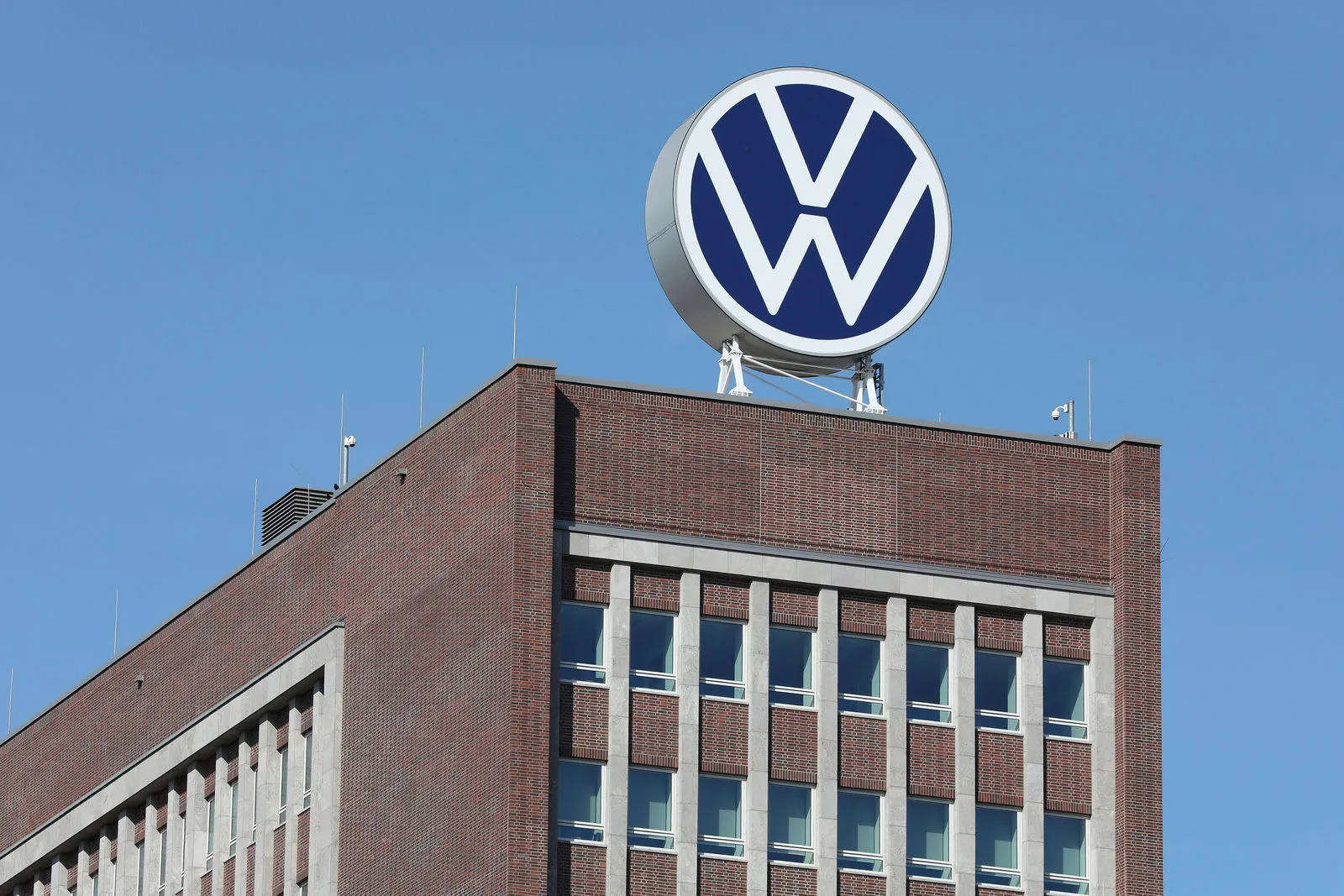
Volkswagen is exploring the possibility of allowing Chinese electric vehicle (EV) manufacturers to take over unused production lines in its German factories. This move comes as the German automotive giant faces declining demand, increased competition from Chinese automakers, and an industry-wide shift toward electric mobility.
Volkswagen’s Response to Excess Production Capacity
In recent months, Volkswagen has been struggling with overproduction, leading to the decision to scale down its manufacturing operations. The company initially considered shutting down some of its German plants but later decided against it after reaching agreements with labor unions. Instead, Volkswagen is looking for alternative solutions to utilize its excess capacity, including potential collaborations with Chinese automakers.
Gernot Döllner, CEO of Volkswagen’s Audi brand, stated that such partnerships could help lower entry barriers for Chinese competitors in the European market. Similarly, David Powels, CFO of Volkswagen’s main brand, emphasized that the company is open to discussions with potential partners, indicating a willingness to explore joint ventures.
Also Read About: Volkswagen Gold
Potential Joint Ventures with Chinese Automakers
Reports suggest that Volkswagen may consider a joint venture with Chinese manufacturers instead of selling its underutilized plants. A notable candidate for such a partnership is Xpeng, a Chinese EV company with which Volkswagen has already established a working relationship in China. By forming joint ventures in Germany, Volkswagen could benefit from Chinese expertise in EV production while Chinese brands gain easier access to the European market, avoiding high import tariffs.
One possible production site under discussion is the Emden factory, which currently manufactures Volkswagen’s ID.4 and ID.7 models. However, sources indicate that cost structures may pose challenges for Chinese manufacturers considering a takeover. While negotiations remain ongoing, no definitive agreements have been reached.
Competition and Economic Struggles
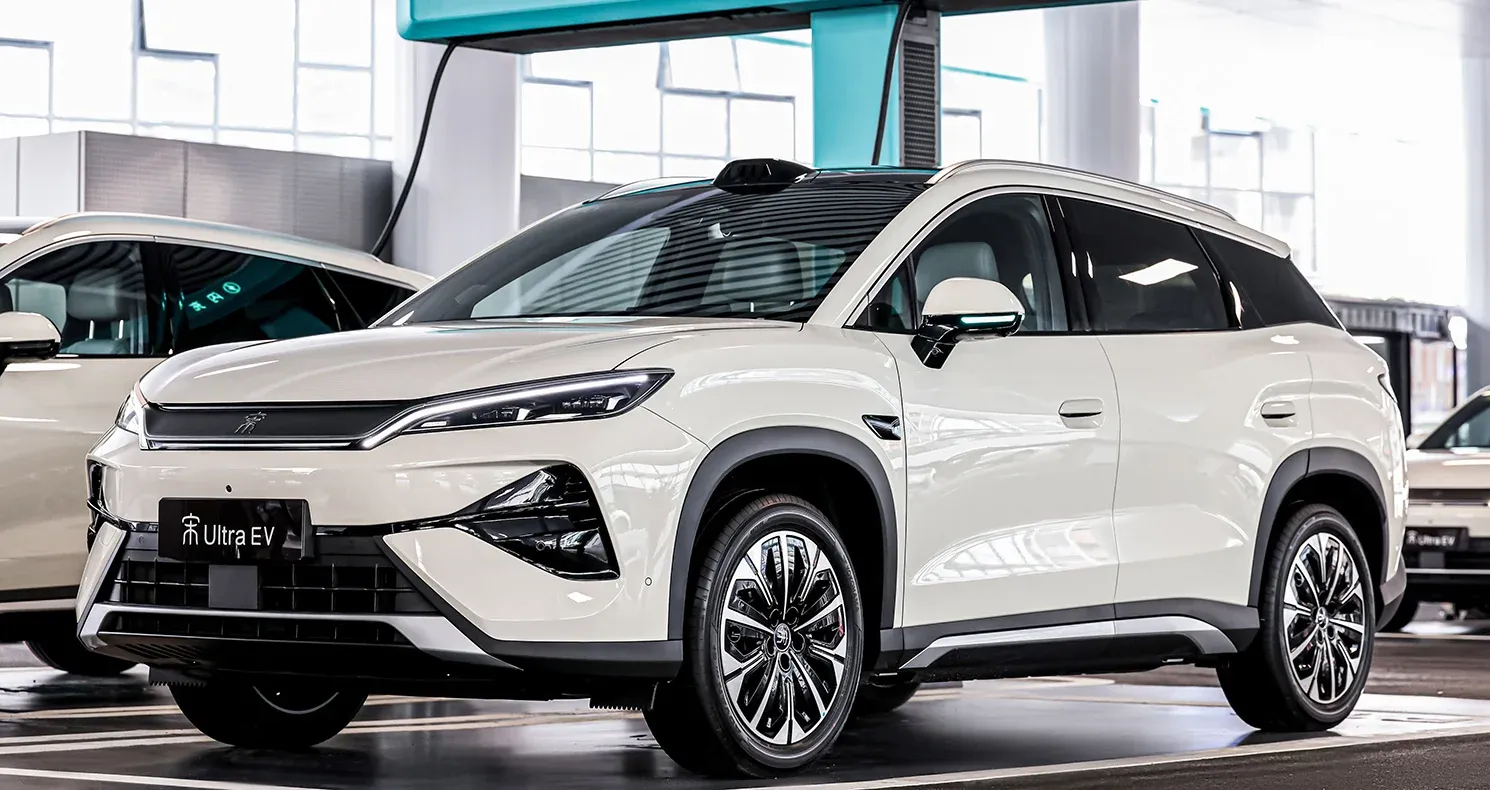
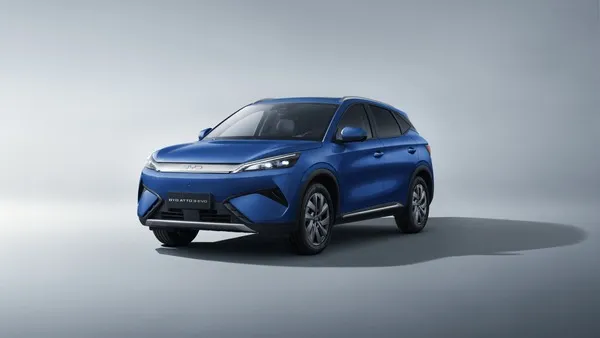
Volkswagen’s willingness to engage with Chinese companies comes at a time when German automakers are facing mounting pressure from cost-efficient Chinese EV brands. Companies such as BYD and Leapmotor are rapidly expanding in Europe, leveraging their advanced battery technologies and competitive pricing. The European Union has responded to this influx by imposing tariffs on Chinese EV imports, but German manufacturers have struggled to keep pace with innovation in the EV sector.
The downturn in Germany’s automotive industry has also raised concerns about the broader economy. In 2024, Germany’s GDP contracted for the second consecutive year, with analysts warning of prolonged economic stagnation. The automotive sector, a key pillar of the German economy, has been significantly impacted by shrinking demand and rising costs.
Also Read: Volkswagen Taigun Price in Nepal
Volkswagen’s Shift Toward Hybrid Technology
Amid these challenges, Volkswagen is also reconsidering its strategy for electrification. The company is reportedly exploring plug-in hybrid models with range extender engines, a technology that has gained popularity in China. Unlike traditional hybrids, extended-range EVs primarily rely on electric power but include a small combustion engine that acts as a generator. This technology has proven successful for brands like Li Auto and BYD, which offer extended-range EVs capable of traveling up to 1,300 miles without recharging.
Volkswagen has already announced that its upcoming Scout-branded vehicles will feature range extender technology, and there are discussions about expanding this system to other models in the company’s portfolio. However, CEO Oliver Blume has yet to confirm whether this technology will be widely implemented in European markets.
Also Read the Latest: Bajaj Pulsar N160 Single Seat Variant
Global Industry Trends and Future Prospects
Volkswagen is not alone in exploring partnerships with Chinese automakers. Stellantis, another major European carmaker, has formed a joint venture with Leapmotor to manufacture Chinese EVs in its European plants. Similarly, Leapmotor is now seeking additional production sites in Europe to expand its operations.
The automotive industry is experiencing a period of consolidation and transformation. Companies like Honda and Nissan are exploring merger options, while smaller EV startups such as Canoo have struggled to remain viable. Meanwhile, Fiat has halted production at its Mirafiori factory due to weak demand.
For Volkswagen, leveraging partnerships with Chinese manufacturers could be a strategic move to navigate the changing landscape of the global auto industry. However, such decisions will likely face scrutiny from German policymakers and labor unions, given the geopolitical sensitivities involved.
Conclusion
Volkswagen’s openness to working with Chinese automakers reflects the shifting dynamics of the global EV market. Faced with excess production capacity, declining sales, and growing competition, the company is exploring unconventional solutions to remain competitive. Whether through joint ventures or technology-sharing agreements, collaborations with Chinese brands may shape Volkswagen’s future in the EV sector. However, the long-term success of these strategies will depend on balancing economic benefits with geopolitical and labor considerations.
For more automobile and tech news, make sure to visit Autoncell.
-original.webp)
-original.webp)
-original.webp)
-original.webp)
-original.webp)